When to Repair or Replace a Storage Tank: Steel Plate Guide
Steel storage tanks require regular inspection and maintenance to remain safe and reliable throughout their service life. Over time, corrosion, structural deterioration, and changing operating requirements can make repairs or even complete replacement necessary.
But how long do steel storage tanks last before they require repair or replacement? Which signs should you watch out for? Here is a quick guide to get you started.
Why Steel Storage Tanks Eventually Need Repair
Steel tanks can develop several types of damage as they age. Common issues that may require repair include:
- Corrosion and pitting: Gradual metal loss reduces steel thickness and can eventually lead to leaks.
- Deteriorated welds and connections: Damage to welds, nozzles, and fittings can compromise tank integrity.
- Structural deformation: Distortion of the shell or other structural components can affect the tank's stability.
- Foundation movement: Settlement or shifting around the foundation can place additional stress on the tank structure.
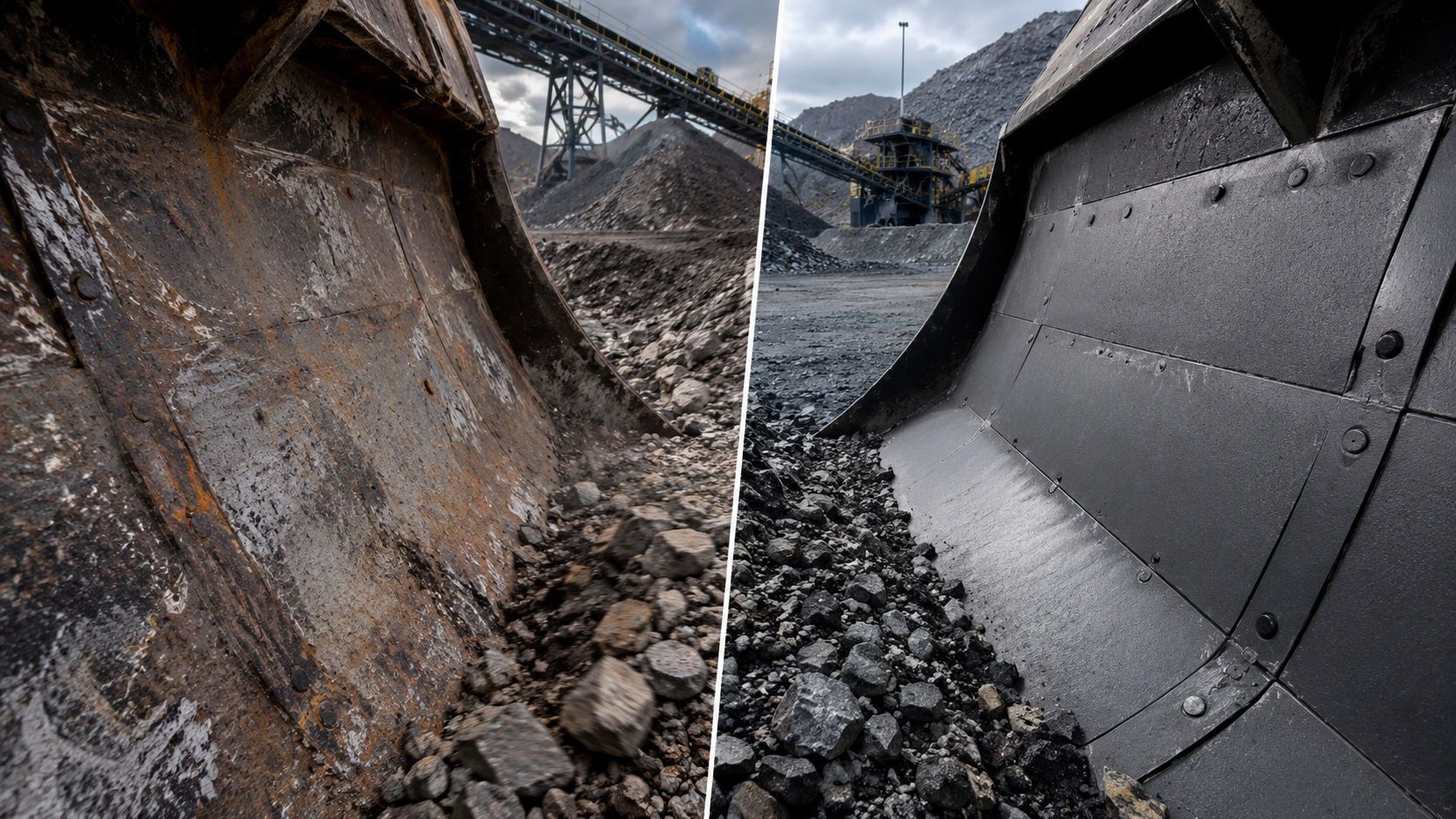
A damaged coating or lining does not always mean the steel itself needs to be replaced. If the underlying plate remains in suitable condition, recoating or relining may address the problem. However, where corrosion has reduced the plate beyond acceptable limits, the damaged section may need to be cut out and replaced.
The product stored in the tank also matters. Fuel, chemicals, wastewater, and other liquids place different demands on the tank and its materials. An inspection, therefore, needs to consider the shell, bottom, roof, welds, and foundation together before determining whether the tank requires a localized repair, plate replacement, or more extensive work.
Repair or Replace? How the Decision Is Made
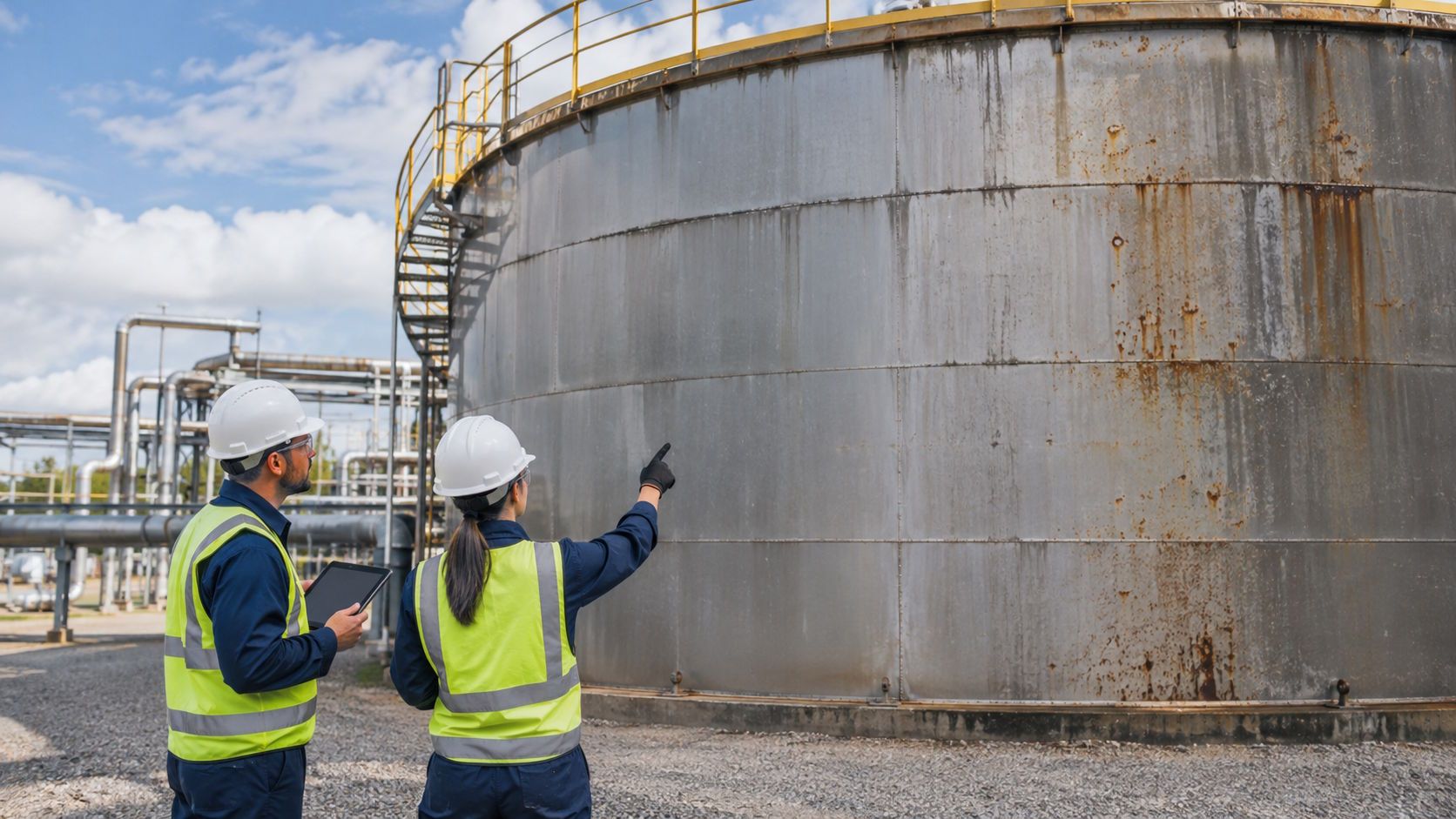
Routine storage tank repair and maintenance involves understanding the system's actual condition. During an inspection, you'll evaluate the remaining wall thickness and the extent and location of damage to determine whether a localized repair or more extensive work is needed.
Other factors to consider are corrosion rate, structural condition, foundation condition, previous leak history, and applicable regulatory requirements. The tank's capacity and service requirements matter too.
When Localized Repair May Be Enough
A tank does not necessarily need major work because one section of steel has deteriorated. Localized corrosion or pitting can often be addressed with a plate patch or by cutting out the damaged section and installing new steel, provided the surrounding plate remains in suitable condition.
Weld defects can also be repaired when inspection shows that they can be removed and restored to the required standard. The same applies to isolated damage on the shell or bottom.
When Replacement Becomes the Better Option
A tank may need full replacement if corrosion or other forms of damage affect a large area. Foundation problems can also affect the decision, particularly where settlement or movement has compromised the tank's condition. A tank may also need to be replaced if its capacity no longer meets operating requirements or the stored product is no longer compatible with the tank's design.
And if a tank has required repeated repairs and several major deficiencies remain, the cost and downtime of continuing repairs may approach or exceed the cost of replacement. At that point, replacing the tank can make more sense than continuing to restore individual sections.
Where Steel Plate Is Replaced During Tank Repair
Shell Plate
Shell plate is replaced when corrosion, pitting, cracks, or other defects have reduced a section below acceptable limits. Depending on the extent of the damage, the repair may involve a small insert, a larger replacement section, or more extensive shell plate removal.
Bottom and Floor Plate
Tank bottoms are exposed to conditions that can cause corrosion and pitting, including damage that may not be visible from outside the tank. As steel thickness falls, the risk of holes and leaks increases.
A small area of bottom damage may be repaired with a patch or replacement section. If deterioration covers a larger part of the floor, more extensive bottom plate replacement may be necessary.
Roof and Structural Sections
The roof plate may require replacement when corrosion or other damage has left the steel in an unacceptable condition. The extent of the work depends on the condition of the affected plates and the requirements that apply to the tank.
The steel supporting the roof may also need repair or replacement if corrosion or other deterioration has affected its capacity. Inspection, therefore, covers both the roof plate and its supporting members when determining the required work.
How Replacement Steel Plate Is Selected
| Selection factor | What needs to be established |
|---|---|
| Material specification | The replacement plate must meet the applicable material specification and the requirements of the governing tank standard. |
| Required thickness | Thickness must be determined from the tank's design and service requirements, rather than simply matching the damaged plate. |
| Existing material | The original plate material should be identified before selecting a replacement specification, particularly for repair and welding work. |
| Mechanical properties | Strength and toughness requirements need to be considered when establishing the appropriate replacement material. |
| Welding requirements | The replacement steel, welding procedure, and filler metal must be compatible and capable of achieving the required mechanical properties and service performance. |
Where A516 Grade 70 Fits in Tank Repair
ASTM A516 Grade 70 is a carbon steel plate specification widely used in pressure-vessel applications. Its inherent properties include strength, low-temperature toughness, and weldability, and it is available in a range of plate thicknesses.
The material has a tensile strength of 70 to 90 ksi and a minimum yield strength of 38 ksi. Where the design calls for low-temperature service, Charpy V-notch impact requirements may also apply to the plate and the selected welding materials.
Other steel specifications, including A36, A283, and A537, may be specified for different tank designs. A project may also call for another grade based on its design and applicable standard.
Code and Inspection Requirements for Plate Replacement
For applicable in-service aboveground storage tanks, API 653 sets requirements for inspection, repair, alteration, and reconstruction. These requirements cover work such as shell plate replacement, bottom repairs, roof repairs, shell penetrations, welding, and examination.
Inspection methods depend on the repair being performed. Visual examination may be accompanied by non-destructive testing such as radiography, ultrasonic testing, magnetic particle testing, liquid penetrant testing, or vacuum box testing. Hydrostatic or other leak testing may be required for certain repairs.
The repair work also needs to be documented. Welds, inspection results, calculations, drawings, and other records associated with the repair may be added to the tank's permanent inspection records.
Preparing Replacement Plate for Installation
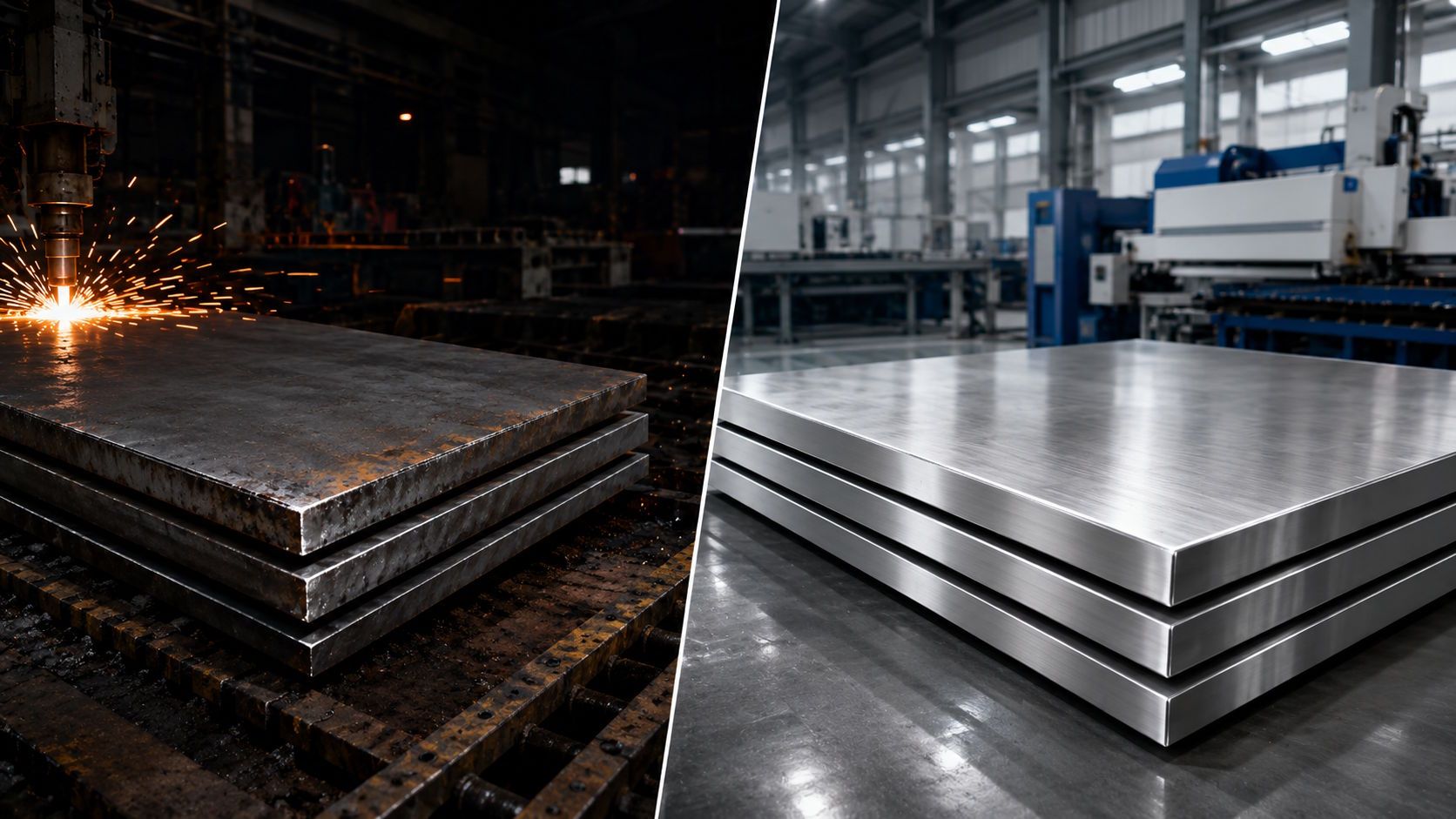
The replacement plate needs to be prepared to the dimensions and configuration specified for the repair. The work can include cutting the plate, preparing edges and bevels for welding, and forming or rolling the steel to match the tank geometry.
Accurate dimensions are important during fit-up. The new section has to align with the existing shell, bottom, or roof so that the weld joint can be prepared correctly.
The plate surface must also be clean before welding or coating. Rust, existing coatings, and other contaminants may need to be removed as part of the preparation.
What Buyers Should Confirm When Ordering Repair Plate
At a minimum, buyers should confirm the following details when ordering materials for a routine steel tank repair job:
- Grade and specification: Identify the required material standard and grade.
- Thickness: State the required nominal thickness and any applicable requirements.
- Dimensions: Provide plate length and width, along with any required cutting or fabrication dimensions.
- Quantity: Confirm the number of plates or total material required.
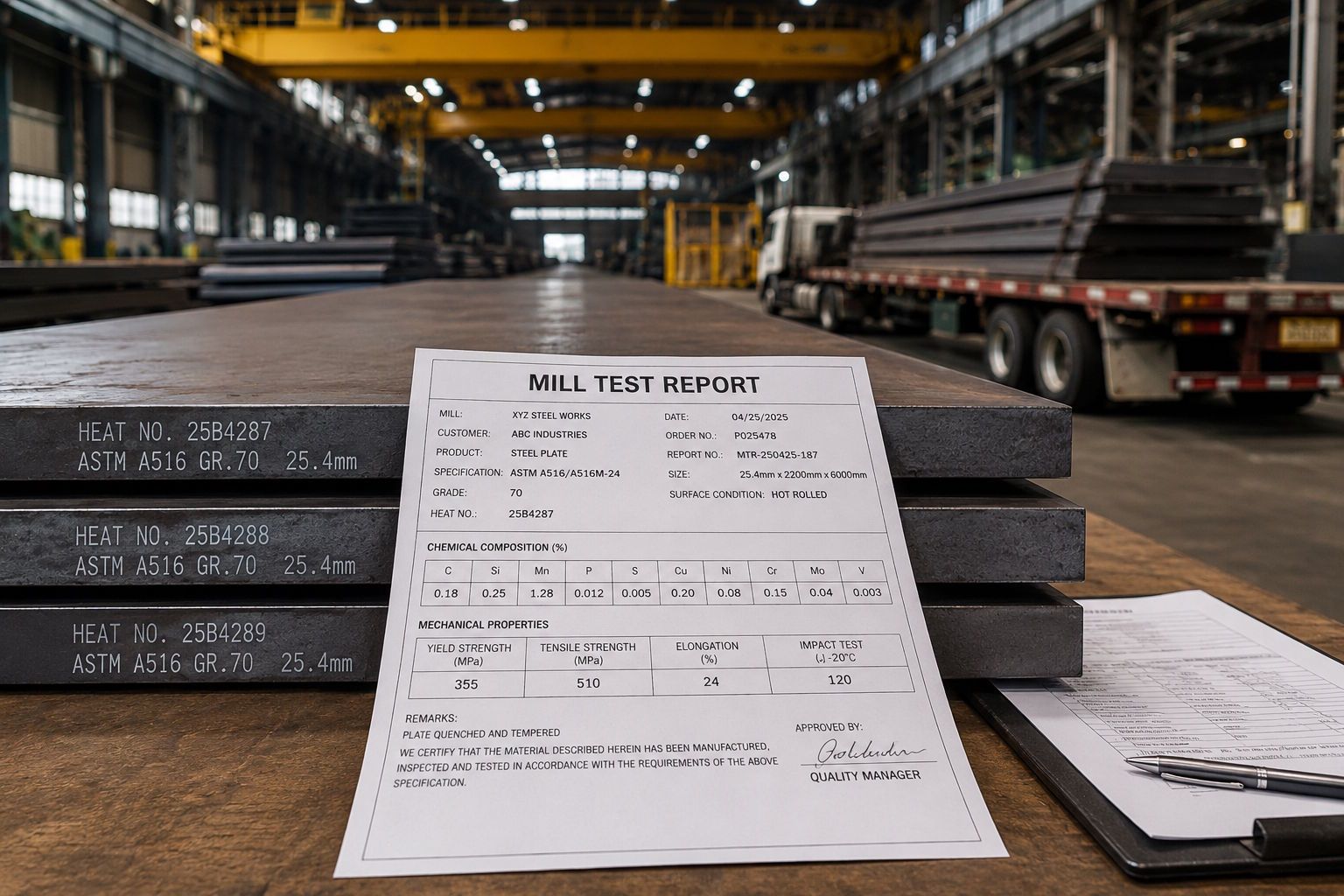
- Mill test reports: Establish whether material test documentation is required.
- Heat-number traceability: Confirm how the material will be identified and traced through fabrication.
- Supplementary testing: Specify any additional mechanical, toughness, or other testing required by the project.
- Delivery timing: Allow sufficient lead time for material availability, documentation, and any required testing.
Conclusion: Matching the Repair Strategy to Tank Condition
The repair-versus-replacement decision starts with the condition of the tank, not the price of a piece of replacement steel. Assess the actual condition, select the appropriate repair strategy, and specify replacement materials to meet the tank's requirements before repair. In cases where the existing structure can no longer provide the required service, a complete storage tank replacement becomes the more prudent route.
About the author

Chad Odom is a seasoned steel industry professional with over 20 years of experience in steel service center operations, sales, and management. Beginning his career in 2004 in warehouse operations at O’Neal Steel, he advanced into inside sales before transitioning into leadership roles, including Sales Manager at Premium Plate and Operations Manager at Total Plate. Since 2025, Chad has served as General Manager of Premium Plate, based in Mobile, Alabama. His extensive industry expertise includes steel procurement, project management, estimating, plate processing, fabrication, shop production, strategic sales, and customer relationship management. With a comprehensive understanding of the steel service center industry, from warehouse operations to executive leadership, Chad brings a hands-on, solutions-driven approach to operational efficiency, customer satisfaction, and business growth.
View all postsRecent Posts
Premium Plate’s Axis Facility Set to Open in January 2027
Steel Plate Supplier Selection Criteria: 10 Questions to Ask
The Importance of Proper Refinery and Petrochemical Maintenance
Premium Plate Plans $20M Mobile County Facility