How Marine Grade Steel Plate Is Used in Vessel & Barge Repair
The global marine steel plate market is projected to reach $6.38 billion by 2034, with ship hull material accounting for 38.5% of the market share. These figures represent the material backbone of the world's commercial fleet, the raw substance from which vessels are built and, just as critically, repaired.
Why Vessel and Barge Structures Need Steel Plate Repair
Steel in marine service doesn't fail for one reason. It fails because several things work on it at once, and plate repair is the inevitable result. While corrosion is a major source of damage, abrasion can accelerate deterioration in specific areas.
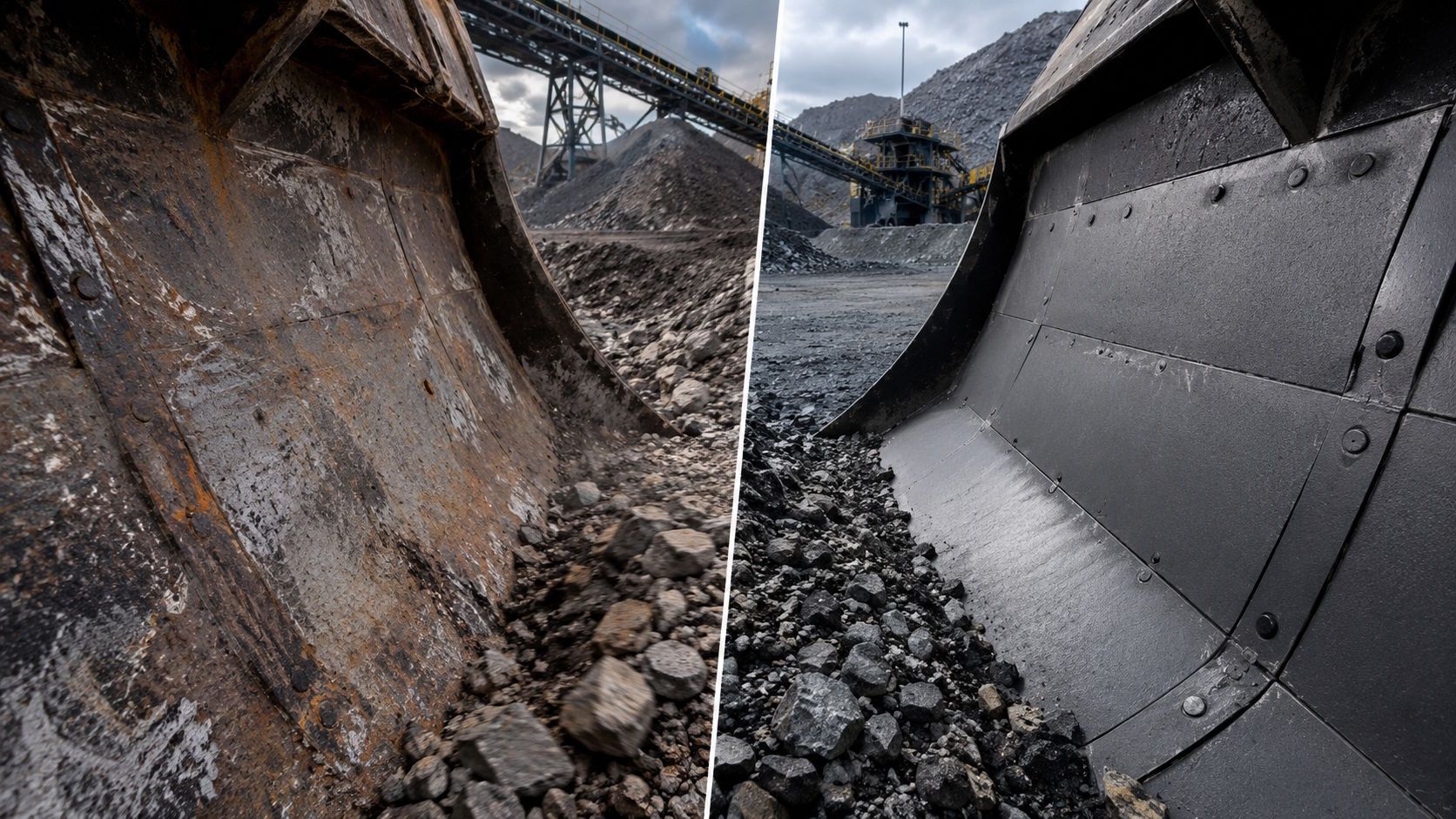
For instance, barge cargo holds get loaded and unloaded constantly. Hopper sections and working decks are also exposed. Every scrape and impact strips coating off and leaves bare steel sitting in a corrosive environment, so mechanical damage and chemical attack feed each other.
Additionally, impact damage brings its own problems. Docking contacts, debris, and cargo handling accidents bend or crack plates in ways that put watertight integrity at risk.
What Does Marine Grade Steel Mean?
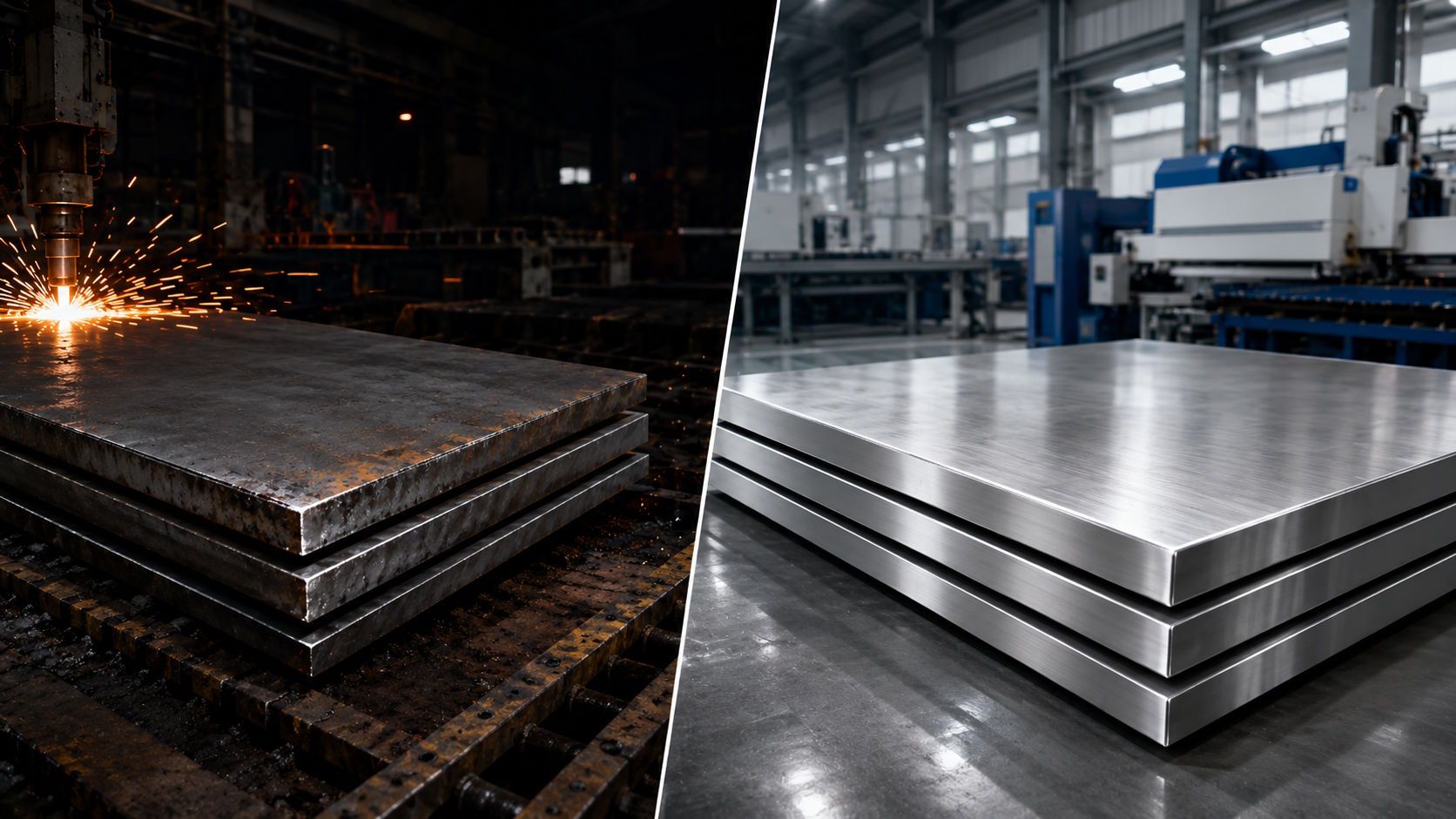
Marine grade steel is used in both ship hull repair and construction for good reasons. What defines it comes down to a few things. The chemistry is controlled, the mechanical properties are verified, and toughness is documented at specified temperatures. Depending on the grade and specification, marine steels may be supplied in normalized, thermomechanically controlled, or other approved conditions to achieve the required strength and toughness.
At the same time, weldability is designed into the composition through limits on carbon equivalents and alloying elements. Controlled chemistry supports weldability, but preheating and other welding requirements still depend on plate thickness, grade, carbon equivalent, joint restraint, and the approved welding procedure. Toughness testing at specified temperatures also verifies the material's ability to resist brittle fracture, which matters for vessels operating in cold climates or under dynamic loads.
However, it's worth separating conventional shipbuilding carbon steel from marine grade stainless steel. The first is usually carbon-manganese, and it makes up the primary hull structure on most commercial vessels. Marine grade steel plate can be found in chemical tanker cargo containment, piping, or components facing aggressive media.
Where Marine Steel Plate Is Used in Vessel and Barge Repair
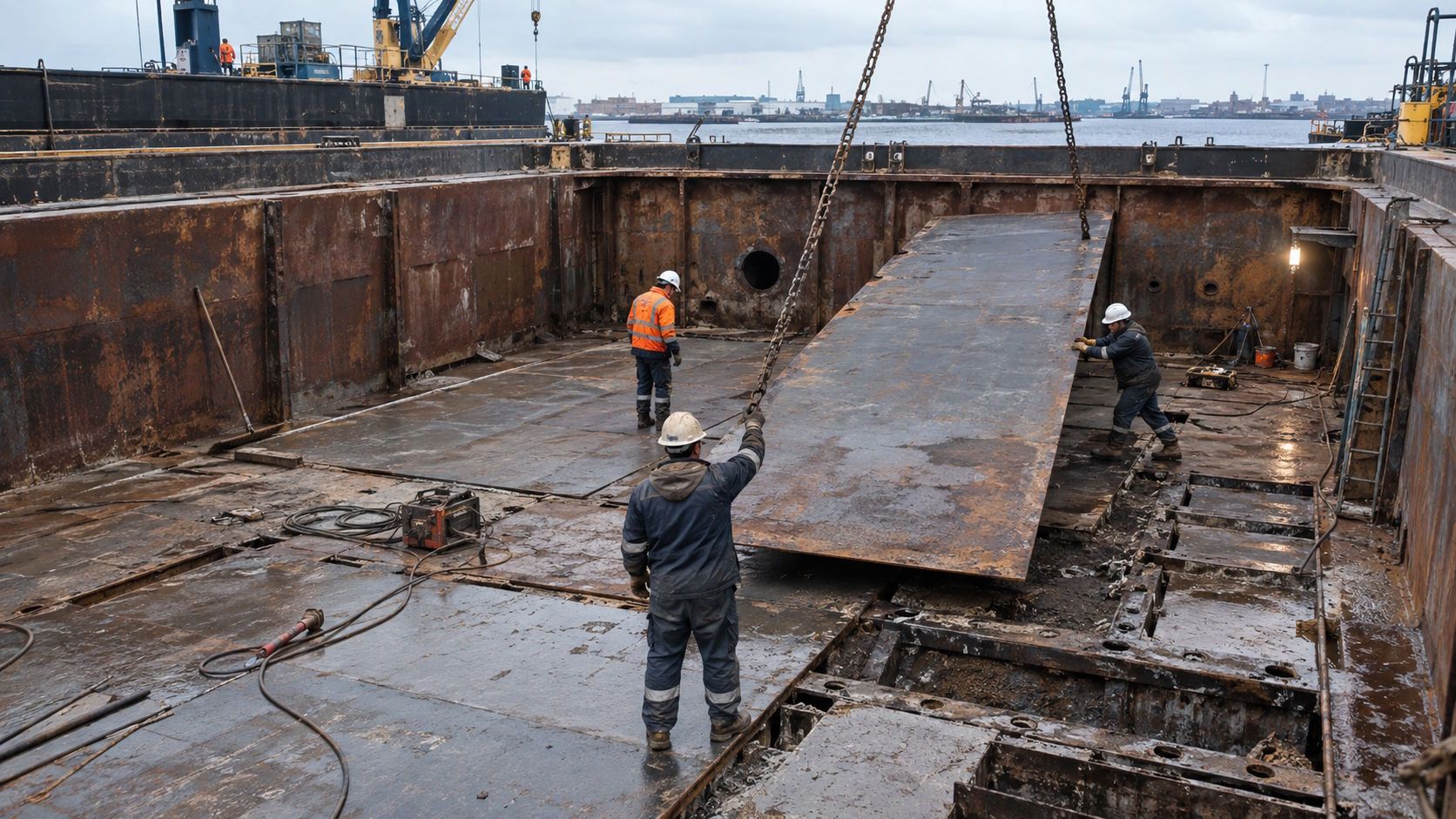
Replacement plate is used where existing structural steel has been damaged, wasted, or otherwise no longer meets the required condition. The repair location determines the loads the new plate must accommodate and therefore forms a central part of material selection.
Hull and Shell Plating
Hull and shell plating forms part of the vessel’s primary structure and is exposed to water pressure, wave effects, docking loads, and accidental impacts. Corroded or thickness-reduced sections may require plate renewal, as may areas that have become cracked or deformed.
For ship hull repair, the replacement section should follow the original structural requirements and repair specification. Bottom plating faces water pressure and wave impact, while side shell plating can experience lateral pressure, docking loads, and wave slap. Thickness and grade, therefore, need to reflect the location.
Decks, Bulkheads, and Structural Sections
Decks, bulkheads, and structural sections can also require replacement when exposed to corrosion. Deck plates may carry cargo and equipment loads, while bulkheads contribute to watertight integrity and compartmentalization.
Internal structural sections have their own loading and fabrication requirements. Repair planning should account for the replacement plate, surrounding stiffeners, and adjacent structure. Larger plates can reduce welds, but must remain practical to handle and fit within the repair area.
Barge Cargo and Wear Areas
Barges can experience concentrated wear from cargo handling, repeated impacts, and heavy use. Cargo decks, hopper sections, and working surfaces may therefore require steel plate replacement when abrasion or impact has reduced the material’s condition.
A typical barge repair depends on matching the replacement plate to the affected area. A plate in a heavily used cargo or working zone must suit expected loads and wear, while the fabrication plan must allow accurate cutting, forming, and installation.
Choosing the Right Marine Steel Plate for Repair
A steel plate for shipbuilding should be selected from the vessel’s plans, repair specifications, and applicable classification requirements.
Marine Steel Grades and Classification Requirements
Most commercial vessels are built with steel certified by a classification society such as ABS, DNV, or Lloyd's Register. When repairing these vessels, the replacement material generally needs to meet the applicable classification and repair specification requirements.
Shipbuilding steels are supplied in normal- and higher-strength grades, with designations such as A, D, E, and AH, DH, EH, depending on strength level and toughness requirements. The required grade for a specific repair location is determined by vessel plans, repair specifications, and applicable classification rules, taking into account factors such as structural location, design temperature, and stress level.
Plate Thickness and Size
Thickness selection involves more than matching the original specification. The replacement must account for corrosion allowance, the additional thickness built into the original design to compensate for expected wastage over the vessel's service life. Classification societies specify minimum thicknesses and renewal criteria based on measured values (you can also estimate material dimensions using the Steel Plate Weight Calculator).
The repair geometry also influences plate size: the replacement must extend beyond the damaged area to sound metal, with edges prepared for proper weld joint configuration. Available plate dimensions may require strategic nesting to minimize waste while meeting these extent requirements.
Compatibility With the Existing Structure
The replacement plate needs compatible mechanical properties and weldability. Material selection should consider the surrounding structure and the welding procedure required to join the new section. Chemical composition controls in hull steels also support weldability and toughness.
The type of steel used in shipbuilding depends on more than nominal strength. It is selected by grade, thickness, toughness, fabrication, and certification.
Fabrication Requirements for Marine Repair Plate
Correct material can still produce a poor repair if fabrication is not controlled. Replacement plate must be cut to the required geometry, with beveling and edge preparation suited to the joint and welding requirements. Precision rolling may be necessary where it must follow the vessel’s shape.
Fit-up and dimensional accuracy are important before welding begins. Thicker sections may require different welding procedures and preheating, while heat input must be controlled during welding. However, thin plates present their own challenges because excessive heat can cause burn-through.
Inspection and Quality Control After Plate Replacement
Inspection confirms that the repaired structure meets the specified requirements. Thickness should be verified against the repair specification, while welds require appropriate inspection. Dimensional checks help confirm that the replacement plate has been fitted correctly and that the repaired section maintains the intended geometry.
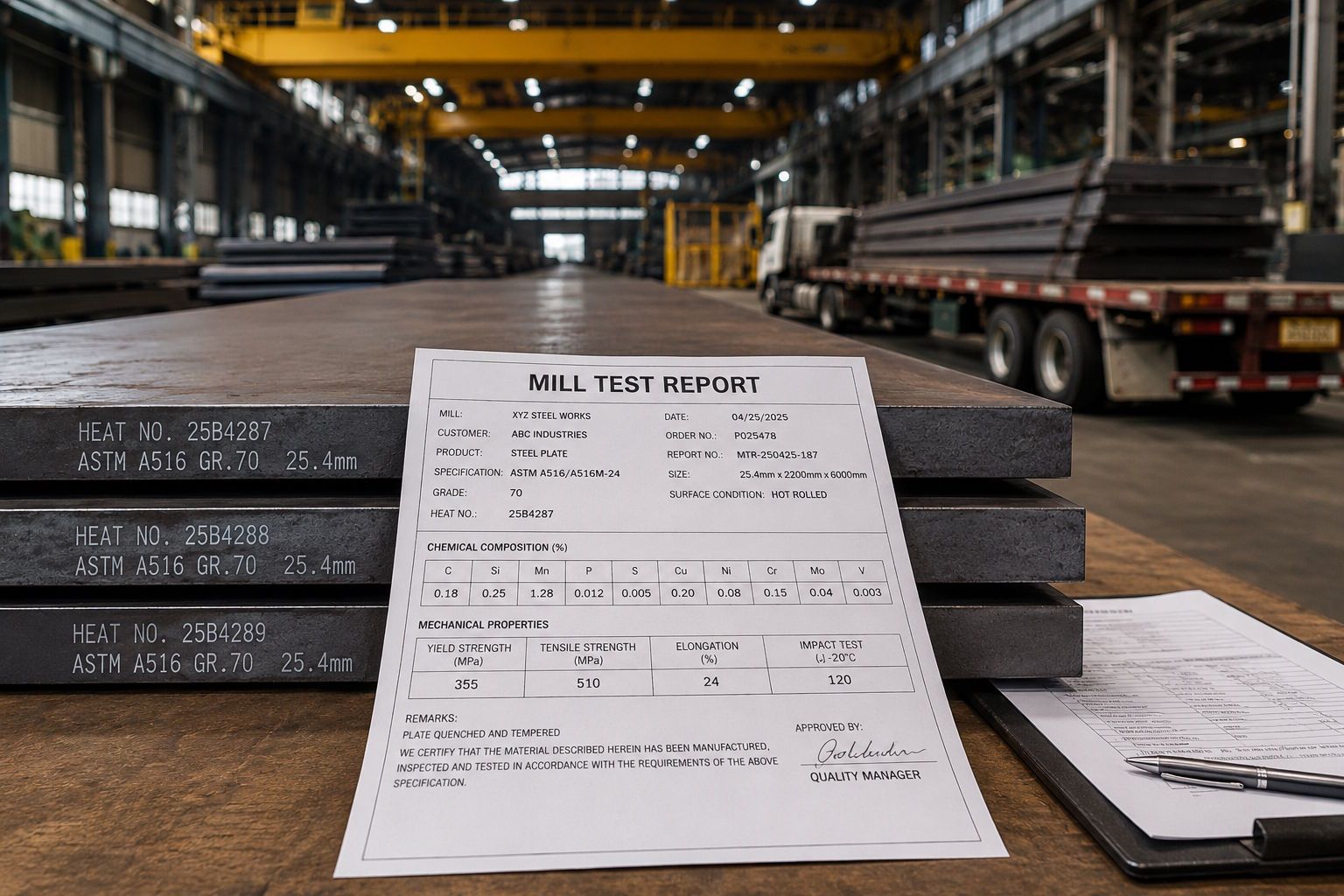
Repair documentation should record the work performed and the materials used. Mill test certificates and heat numbers provide material traceability for marine steels, while applicable classification or acceptance requirements should be addressed as part of the repair process.
Inspection should extend from material verification through fabrication, fit-up, and installation. This creates a clearer record that the replacement plate matches the approved repair requirements.
Protecting Repaired Steel From Further Marine Corrosion
A good ship hull repair resets the clock on that section of the vessel, but the corrosion clock starts again right away. Protection isn't optional.
Surface preparation is where it starts. Proper blasting and priming needs clean, properly profiled steel to bond and perform. The coating system has to suit the service environment: immersion, splash zone, or atmospheric exposure. In submerged or buried areas, cathodic protection can back up the coatings by making the steel structure cathodic and helping control electrochemical corrosion.
Routine inspection after the repair also catches coating breakdown or fresh corrosion before it gets to the point of needing another plate. The job is only finished when the new steel is protected to the same standard as the original structure, or better.
Conclusion: Building Reliable Vessel and Barge Repairs
Marine grade steel plate is the foundation of vessel and barge repair, but it only works when it's selected and applied correctly. The right grade, certified to the right classification standard, keeps the structure compatible. Correct thickness and dimensions restore design margins.
Most importantly, a thorough inspection verifies quality, while effective corrosion protection extends service life. For owners and operators, understanding this process supports better decisions on repair specifications, contractor selection, and maintenance planning, which helps keep vessels and barges in service longer and supports safer operation.
FAQ
About the author

Chad Odom, based in Mobile, AL, US, is currently a General Manager at Premium Plate, a TF Warren Company. Chad Odom brings experience from previous roles at Total Plate Processing, a TF Warren Company and O'Neal Steel. Chad Odom holds a 2001 - 2002 University of South Alabama. With a robust skill set that includes Aluminum, Contract Negotiation, Continuous Improvement, Inventory Management, Manufacturing and more.
View all postsRecent Posts
Premium Plate Plans $20M Mobile County Facility
Mining Equipment Maintenance: How Steel Plate Reduces Downtime
Steel Plate vs Sheet: Key Differences, Thickness, and Applications Explained
What Is Metal Fatigue? Warning Signs and Prevention