Steel Plate and Sheet: What Buyers Should Know Before Choosing
Steel plate and sheet might look similar. But in fabrication, mixing them up can derail a project before the first cut is made. The difference isn't just about thickness for the sake of it; it changes how the material behaves under a press brake, how it handles a weld, and whether it's even capable of carrying the load you need it to carry.
The sheet metal fabrication industry is becoming more automated and precise, with shops increasingly using CNC laser cutting, automated bending, and other advanced equipment to meet tighter tolerances and more complex fabrication requirements. But if you're on the buying side, knowing whether a project calls for plate vs sheet steel is where it all starts.
Why Steel Comes in Sheet and Plate Forms
Producing steel plate and sheet in a range of thicknesses isn't arbitrary. It directly corresponds to how the material will be processed and what it will be tasked to do. Sheets and plates exist because fabrication needs span a huge spectrum. Some projects require a material that's flexible enough to be stamped into a complex shape. Others need a rigid, heavy section that can support thousands of pounds.
By producing flat steel in these distinct product forms, the industry can serve both the lightweight, high-volume manufacturing world and the heavy-duty construction and infrastructure sector.
Thickness: Where Steel Sheet Becomes Steel Plate
Some people would argue that thickness is the main difference between sheet and plate steel. But it can vary, depending on the supplier, material specification, or regulatory requirements.
Common Thickness Classifications
Some suppliers and standards apply a "heavy sheet" category to material between 3 mm and 6 mm. However, a commonly used rule of thumb places the transition around 6 mm (approximately 1/4 inch), although classifications vary by standard and supplier.
Gauge vs Inches and Millimeters
Sheet steel is frequently specified by gauge, while plate is commonly ordered using decimal inches or millimeters. A gauge can be confusing because the number does not represent a direct measurement. A higher gauge number generally indicates thinner steel.
Gauge also varies by material. The same gauge designation does not necessarily represent the same physical thickness for steel and aluminum. For this reason, buyers should use an established gauge chart and verify the corresponding decimal thickness.
Plate is more commonly specified directly, such as 1/4 inch or 10 mm.
Steel Grade and Product Form Are Not the Same Thing
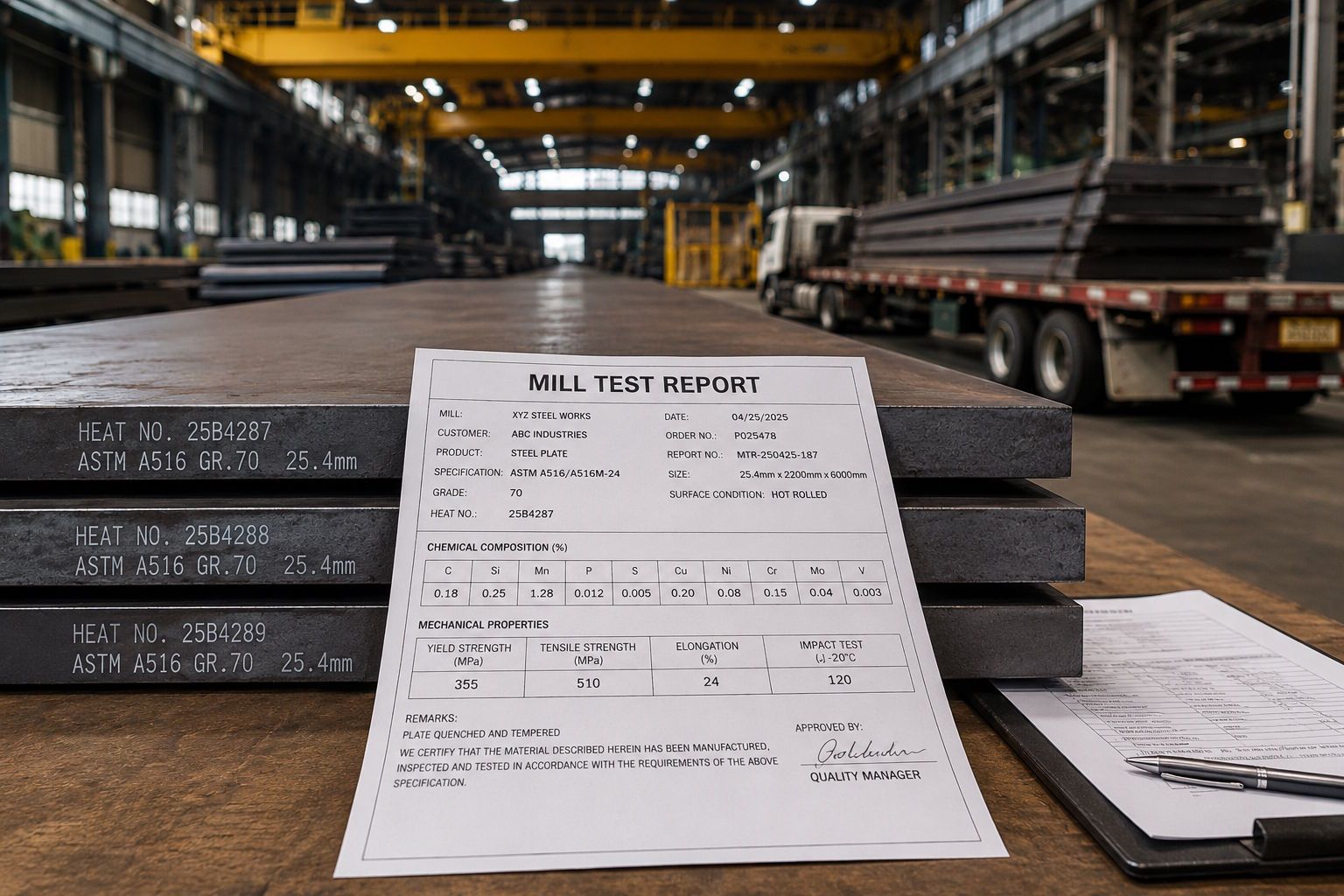
Sheets and plates describe the physical form and thickness of a steel product. Steel grade, by contrast, identifies the material's composition and associated mechanical properties.
That distinction matters when specifying steel sheets and plates for a project. Two products can have different thicknesses while sharing a grade, or have similar thicknesses while being produced to different grades and specifications.
The appropriate choice, therefore, requires more than identifying whether the material is sheet or plate. The required grade, strength, toughness, weldability, and end use also need to match the project requirements.
How Steel Sheet and Plate Are Produced
Steel starts as a cast product and is processed through rolling to produce flat sections with the required dimensions. The production route depends on factors including thickness, dimensions, surface requirements, and the mechanical characteristics required from the finished material.
Steel Sheet Production
Steel sheet production often follows a coil-based route. The steel is rolled to its final thin dimension, and because it is thin enough, it can be wound into a coil for shipping and storage. Sheets can be produced by hot rolling or further processed by cold rolling when tighter tolerances, improved surface finish, or specific mechanical properties are required.
Cold rolling work-hardens the metal, resulting in a smoother surface finish, tighter dimensional tolerances, and increased yield strength. It's the process of choice for products that need to be strong, have a nice appearance, and be formed precisely.
Steel Plate Production
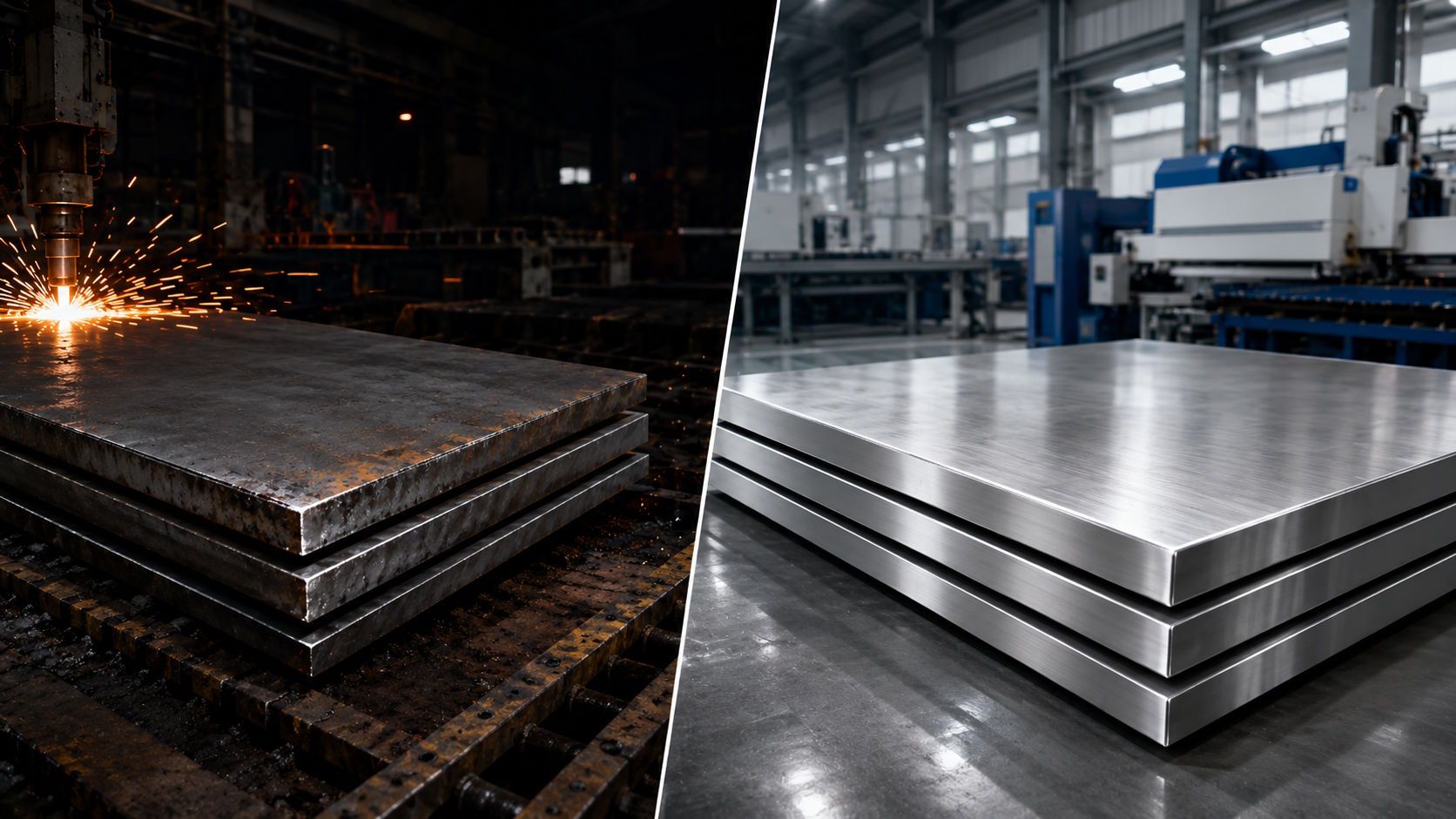
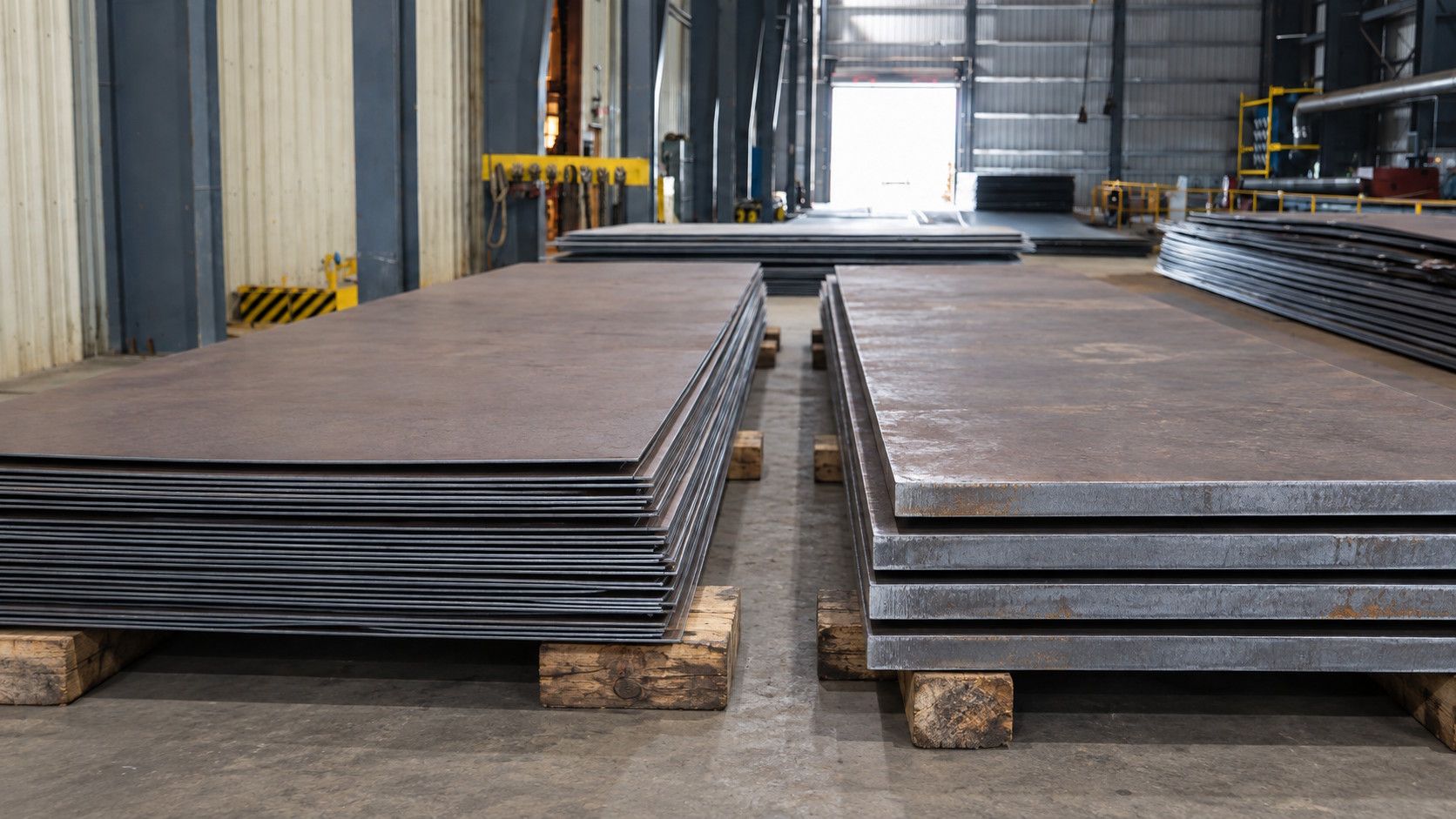
Steel plate is typically produced and shipped as flat, stacked sections rather than in coils. The primary method of manufacturing is hot rolling. The steel is heated above its recrystallization temperature.
Hot rolling can leave a dark oxide layer called mill scale. Depending on the final application, it may need to be removed by shot blasting, pickling, or mechanical cleaning because it can interfere with coating adhesion and welding quality.
How Sheet and Plate Behave Differently in Fabrication
The difference between plate and sheet steel shows up when you start working the material through fabrication.
Rigidity, Weight, and Load-Bearing Capacity
Thicker steel is stiffer steel. Plate gives you the mass and structural backbone to handle serious loads, whether that's the weight of a bridge or the internal pressure pushing against the walls of a vessel.
On the other hand, the sheet is lighter and more flexible by design. A flat sheet will sag under its own weight if you leave it unsupported, but that's not a design flaw; it's what makes the stuff workable.
Forming, Cutting, and Welding
Sheet metal is made to be formed. You can stamp it, bend it, and deep draw it into complex shapes without it tearing apart. However, bending a thick plate takes serious tonnage and heavy-duty tooling. A thick plate requires substantially greater forming force and heavier equipment, but it can still be bent or rolled when the application requires it.
As for welding, sheet metal requires a careful hand. The material is thin enough that too much heat will warp it or burn straight through. You need precise control and the right equipment to keep the arc from drifting away. A thicker plate generally requires greater heat input and may be less sensitive to burn-through, but weld distortion still has to be controlled. Depending on plate thickness, joint design, and welding process, multiple passes and beveled edges may be required to achieve full penetration. It's slower and more demanding, but that's what it takes to make a joint that holds under real stress.
Common Applications for Steel Sheet and Plate
Now that you understand what it takes to form steel plate vs steel sheet, what is their main application? For starters, the way sheet and plate behave on the shop floor maps directly to where you find them in the real world.
Where Steel Sheet Is Commonly Used
Sheets are everywhere you look. It's the steel under the paint on car doors and hoods. It's the outer shell of your refrigerator and washing machine. It's the metal roof over industrial buildings and the ductwork snaking through commercial spaces. Anywhere you need something light, formable, and decent looking, a sheet is the answer.
Where Steel Plate Is Commonly Used
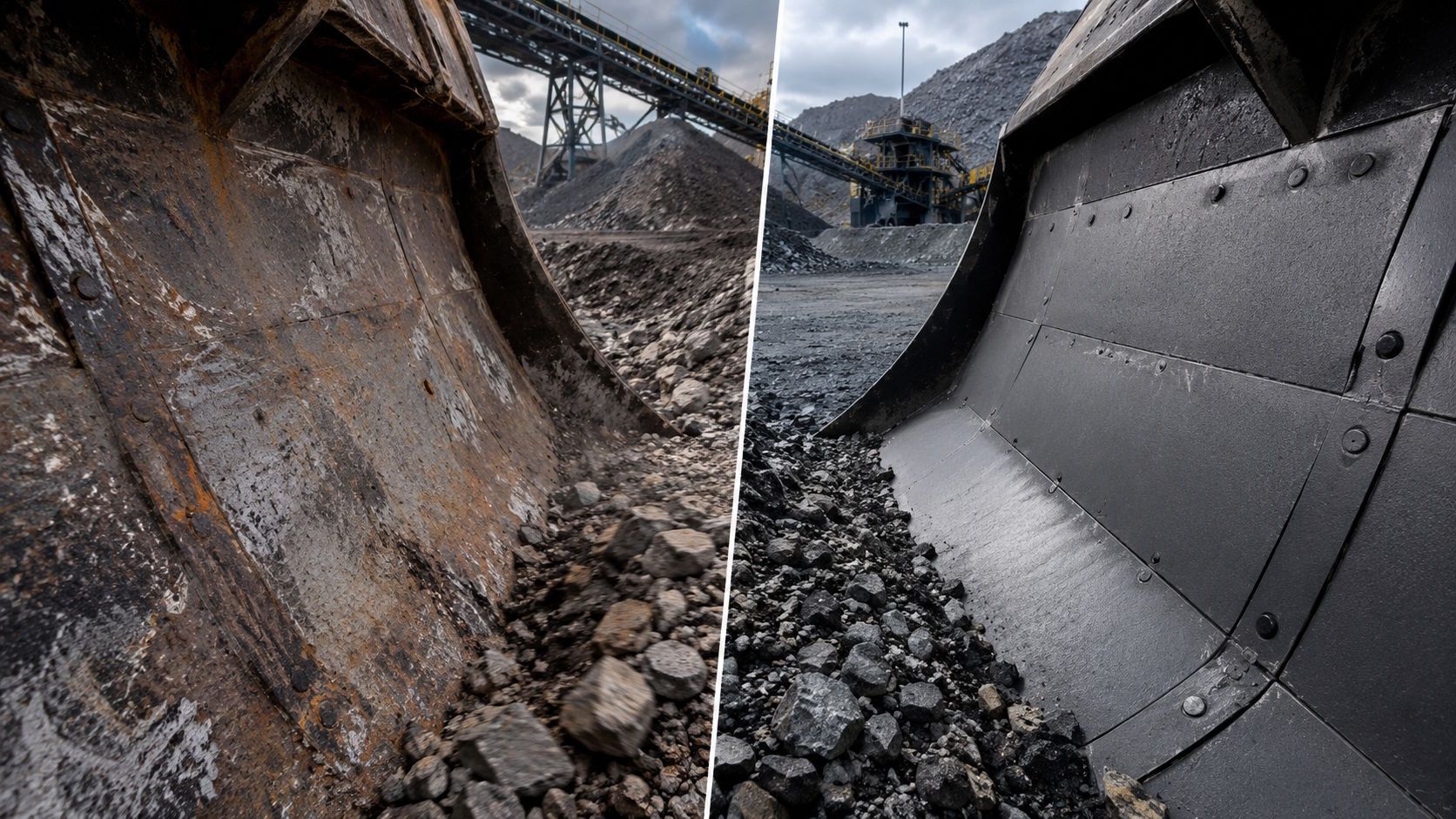
The plate shows up where strength is non-negotiable. It's holding up bridges and skyscrapers. It's the base of heavy excavators and mining equipment. It forms the walls of storage tanks and pressure vessels that have to contain a serious internal force. Ship hulls, heavy machinery frames, wear plates for industrial gear, that's all plate territory.
What Buyers Should Check Before Ordering
Before ordering, buyers should confirm the required thickness, dimensions, tolerances, applicable specification, and end-use requirements.
The required processing should also be considered. A component that needs complex bending or high-volume stamping may be better suited to sheet, while a load-bearing assembly may call for plate. Cutting and welding requirements can affect the appropriate product form as well.
Measurement deserves particular attention. Buyers should verify whether the supplier is quoting gauge, inches, or millimeters and confirm the corresponding actual thickness. This is especially important near the point where sheet and plate classifications overlap.
The material grade of the steel sheet vs plate should then be checked separately from its form. A specification should identify the required grade and mechanical properties, as well as any relevant requirements for fabrication or service conditions.
Finally, buyers should consider the finished application rather than selecting material solely by price or nominal thickness. The right product is the one that satisfies the project's structural, fabrication, and dimensional requirements.
Conclusion: Understanding Steel Plate and Sheet Differences
At the end of the day, the choice between steel sheets and plates comes down to what you're building. The sheet is for projects where formability, light weight, and a clean finish matter more than brute strength. Auto bodies, appliances, roofing, enclosures.
In contrast, a plate is for heavy lifting. Bridges, pressure vessels, heavy equipment, and shipbuilding. Plate is commonly selected where a higher section thickness, stiffness, or load capacity is required.
The key is understanding the practical differences. Thickness is one of the main distinctions, but the applicable specification, grade, dimensions, and fabrication requirements ultimately determine the appropriate product form.
About the author

Chad Odom, based in Mobile, AL, US, is currently a General Manager at Premium Plate, a TF Warren Company. Chad Odom brings experience from previous roles at Total Plate Processing, a TF Warren Company and O'Neal Steel. Chad Odom holds a 2001 - 2002 University of South Alabama. With a robust skill set that includes Aluminum, Contract Negotiation, Continuous Improvement, Inventory Management, Manufacturing and more.
View all postsRecent Posts
Premium Plate Plans $20M Mobile County Facility
What Is Marine Steel Plate and How Is It Used in Vessel & Barge Repair?
Mining Equipment Maintenance: How Steel Plate Reduces Downtime

What Is Metal Fatigue? Warning Signs and Prevention