Mining Maintenance: Why Steel Plate Matters in Equipment Repair
Mining equipment maintenance is essential over the service life of the equipment. Rock, ore, dust, moisture, heavy loads, and repeated impact can accelerate wear, while continuous operation and vibration can contribute to fatigue and structural deterioration.
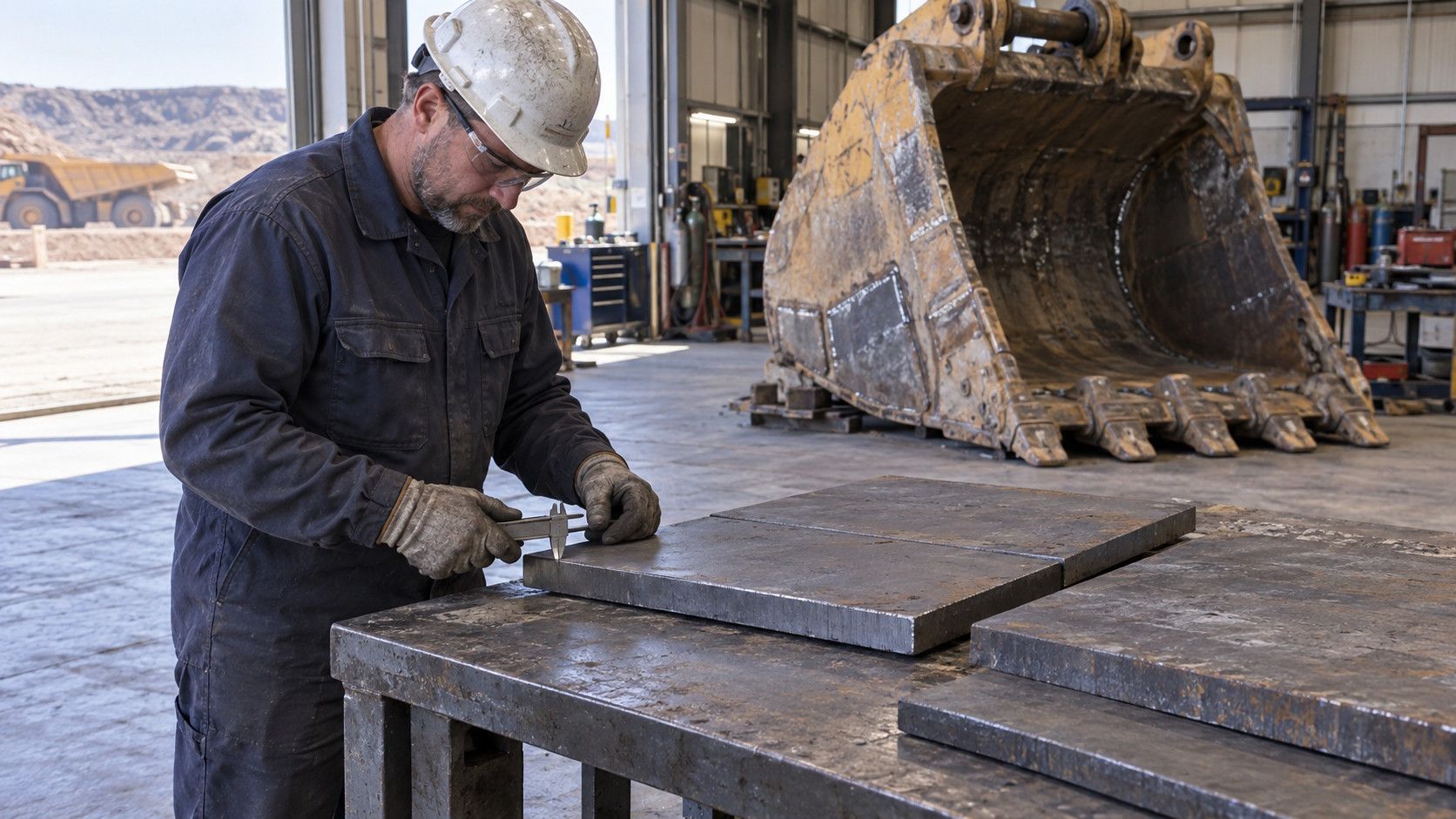
By repairing, replacing, or rebuilding damaged steel components as needed, the equipment can remain serviceable for longer. The right repair plate, combined with timely maintenance, can help restore worn areas before damage develops into a larger equipment problem.
Why Mining Equipment Faces Accelerated Wear
Much of the equipment used in mining is exposed directly or indirectly to rock, ore, and abrasive material. Buckets dig into it. Truck beds carry it. Chutes and hoppers channel it. Crushers chew it up. That contact wears steel down.
Abrasion and Impact
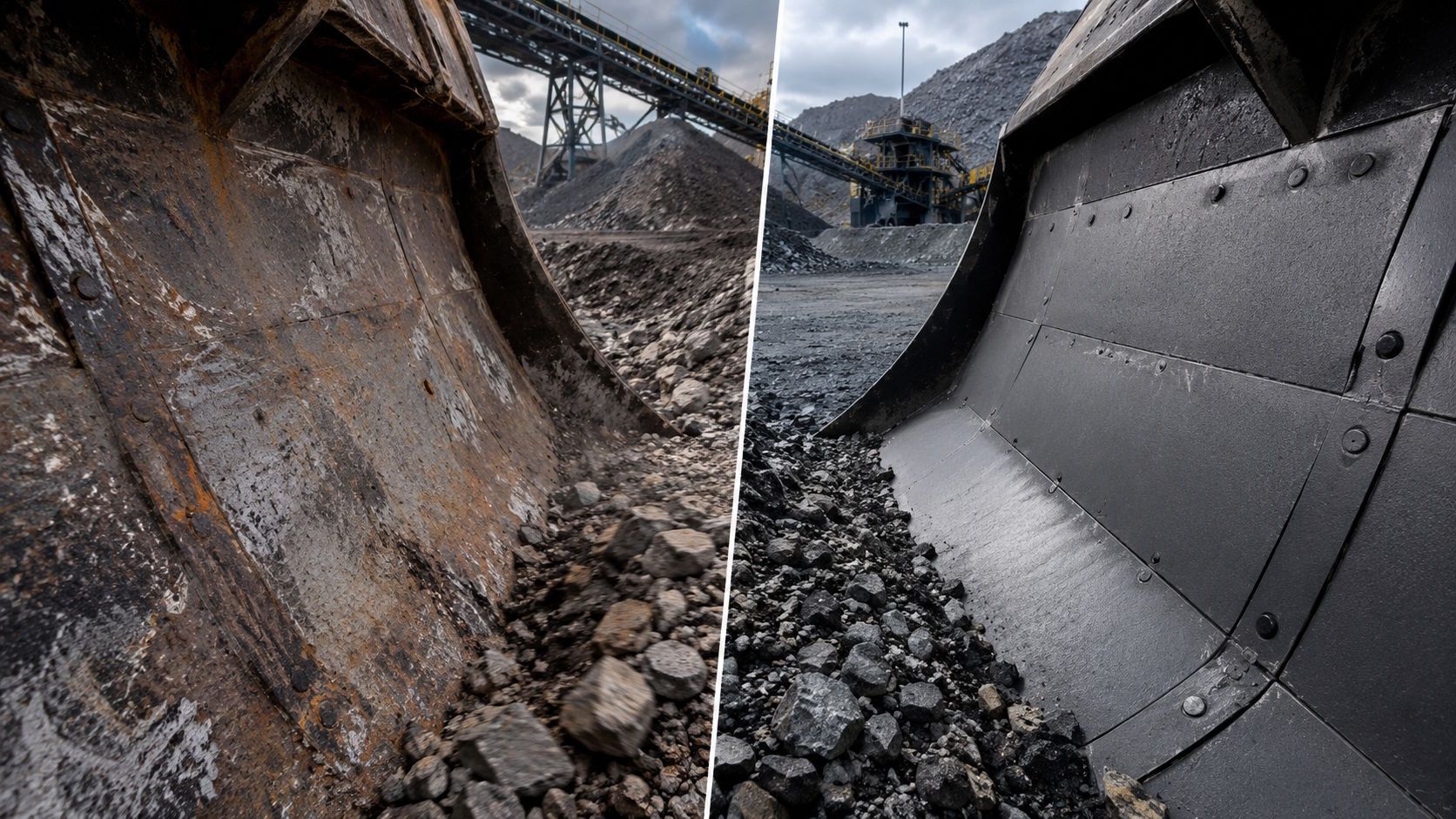
Buckets, truck bodies, hoppers, chutes, and other mining components are repeatedly exposed to rock, ore, and debris, which can gradually wear away exposed steel surfaces. In areas where material is loaded, moved, or processed, scraping and sliding can also take a steady toll.
Impact makes the problem worse. Equipment can take repeated hits as heavy material is dug out, loaded, hauled, and processed. Over time, that combination of abrasion and impact can thin the steel, weaken high-wear areas, and leave sections in need of repair or rebuilding.
Heavy Loads, Vibration, and Fatigue
Mining equipment frequently operates under heavy loads for extended periods. Frames, supports, chassis sections, booms, and other structural components can therefore experience repeated loading throughout their service life.
Vibration creates another source of stress. Condition monitoring can identify abnormal vibration in equipment such as conveyors, crushers, and other processing machinery. Such changes can indicate developing mechanical or structural problems and warrant further inspection.
Corrosion and Harsh Operating Conditions
Wear is only part of the problem. Mining equipment also has to contend with moisture, slurry, dust, debris, and, in some operations, corrosive materials. Over time, these conditions can cause rust and corrosion that eat into steel surfaces and reduce material thickness.
Where Steel Plate Is Used in Mining Equipment Repairs
A steel plate can be used to repair or rebuild components exposed to high levels of wear, impact, or structural loading. The appropriate application depends on the equipment, the damaged area, and the conditions under which that component operates.
Wear and Material-Handling Components
High-wear areas are among the most common applications for mining equipment repair. Excavator buckets, haul truck bodies, hoppers, chutes, and liners can experience repeated contact with abrasive materials during normal operation.
Crusher components and other material-handling surfaces may also require repair as wear develops. In these applications, the repair plate serves to rebuild a worn section or reinforce an area that has experienced material loss.
The nature of the wear matters. A component exposed primarily to sliding and scraping may require different plate characteristics from one subjected to repeated impact. Understanding the actual failure or wear mechanism helps maintenance teams identify an appropriate repair approach.
Structural and Load-Bearing Components
A steel plate is also used in mining machinery maintenance. Frames, chassis sections, supports, booms, brackets, and similar components may require replacement material when damage, cracking, or deterioration affects their condition.
These applications place greater emphasis on strength and toughness because the repaired section may form part of the equipment's load-bearing structure. The repair must therefore account for the component's operating loads and the requirements of the overall equipment.
Choosing Steel Plate for Mining Equipment Repair
Plate selection should begin with the conditions responsible for the damage. Abrasion, impact, structural loading, fatigue, and the operating environment can all influence the material required for a repair.
Other considerations include toughness, weldability, strength, expected service conditions, and the project's specifications. Selecting a plate solely by thickness or availability may overlook characteristics that are important to the finished repair.
Abrasion-Resistant Steel Plate
Abrasion-resistant steel plate is suited to components exposed primarily to sliding, scraping, and abrasive wear. This makes it relevant to applications where rock, ore, and other materials repeatedly contact a steel surface.
Wear components such as liners, chutes, and other high-wear surfaces can require this type of material when abrasion is the dominant damage mechanism. The specific grade should be selected according to the requirements of the repair rather than treating all wear applications as identical.
High-Strength and HSLA Steel Plate
High-strength and HSLA steel plates can be appropriate for structural repairs where strength and toughness are important, subject to the applicable engineering and equipment requirements.
Frames, supports, brackets, and other load-bearing areas may place different demands on the plate than a component designed primarily to resist abrasion. The operating loads and structural requirements should therefore guide the selection.
Carbon and Alloy Steel Plate
Carbon and alloy steel plates can be used where project specifications call for particular combinations of strength, weldability, toughness, or cost efficiency.
The choice depends on the requirements of the individual repair. Material specifications, operating conditions, and fabrication requirements should be considered together so that the selected plate is compatible with both the equipment and the planned repair process.
Fabrication Factors That Affect Repair Quality
Plate selection is only part of successful maintenance for mining equipment. How the material is processed and installed can have a direct effect on the finished component.
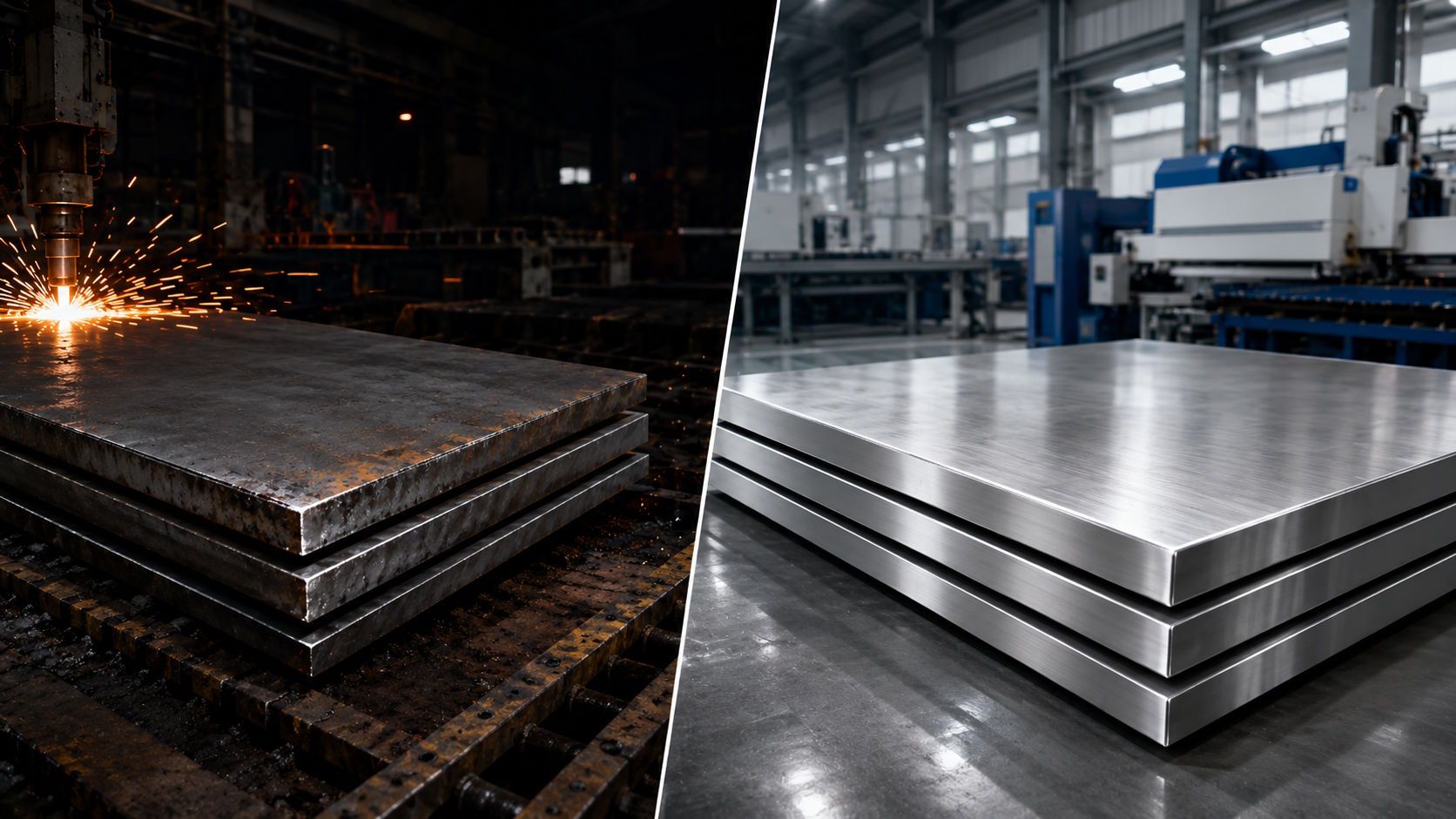
Cutting must produce the required dimensions and a suitable edge condition for the repair. Where welding is required, bevel preparation and fit-up need to match the planned joint. Poor fit-up can complicate welding and affect the quality of the completed repair.
Forming requirements should also be considered where the replacement plate must conform to a particular shape. Welding procedures need to account for the selected material, while appropriate heat control helps manage the effects of welding on the plate and surrounding component.
Surface preparation is another essential part of the process. Contamination, rust, dust, and other unwanted material should be addressed before the plate is installed and welded. Consistent preparation, fit-up, welding, and finishing practices help ensure the replacement material performs as intended.
How Steel Plate Repair Fits Into Mining Maintenance
Good maintenance catches problems early. Inspections and condition monitoring identify wear before it turns into failure, and that lets you schedule repairs instead of reacting to breakdowns.
Preventive maintenance means regular checks, looking at wear surfaces, structural components, and fasteners. Excavator boom inspections, undercarriage evaluations, and crusher liner checks can all identify areas that may require plate repair.
Condition monitoring adds sensors for temperature, vibration, and sound. Abnormal vibration on a crusher might indicate bearing trouble, imbalance, looseness, or another developing fault that requires inspection and appropriate corrective action.
Inventory management matters too. Have the common plate sizes and grades in stock so you're not waiting on material when something comes in for repair. Work orders should be prioritized based on equipment criticality, damage severity, and the risk of continued operation.
What to Confirm When Ordering a Repair Plate
Before ordering material for a repair, maintenance, and procurement teams should confirm the basic requirements needed to supply the correct plate and support the planned work.
Important details include:
- Required plate dimensions
- Required quantity
- Applicable material specification
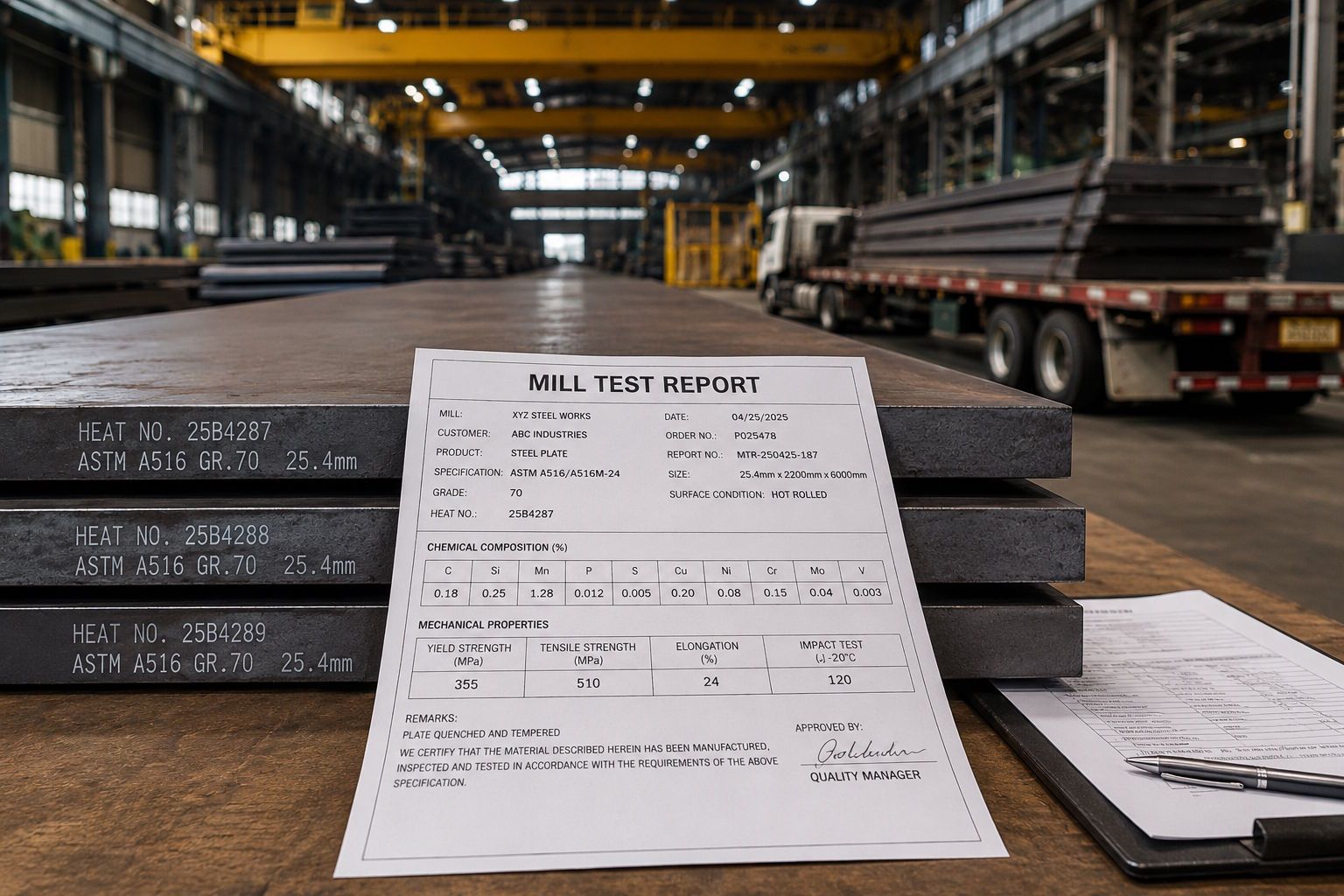
- Material certification requirements
- Traceability requirements
- Delivery requirements
Clear information at the ordering stage can reduce the risk of receiving material that does not match the repair documentation or project requirements. It also helps coordinate material availability with scheduled maintenance work.
For operations that depend on planned maintenance for critical equipment, delivery timing can be particularly important. Repair materials need to be available when the equipment is scheduled to come out of service.
Conclusion: Making Mining Equipment Repairs Last
Mining equipment repair is most effective when the cause of damage, material requirements, fabrication process, and maintenance schedule are considered together.
Abrasion-resistant plate can address high-wear applications, while high-strength, HSLA, carbon, and alloy steels can serve different structural and project requirements. Proper cutting, preparation, fit-up, welding, heat control, and surface preparation are equally important to the quality of the finished repair.
About the author

Chad Odom, based in Mobile, AL, US, is currently a General Manager at Premium Plate, a TF Warren Company. Chad Odom brings experience from previous roles at Total Plate Processing, a TF Warren Company and O'Neal Steel. Chad Odom holds a 2001 - 2002 University of South Alabama. With a robust skill set that includes Aluminum, Contract Negotiation, Continuous Improvement, Inventory Management, Manufacturing and more.
View all postsRecent Posts
Premium Plate Plans $20M Mobile County Facility
What Is Marine Steel Plate and How Is It Used in Vessel & Barge Repair?
Steel Plate vs Sheet: Key Differences, Thickness, and Applications Explained
What Is Metal Fatigue? Warning Signs and Prevention